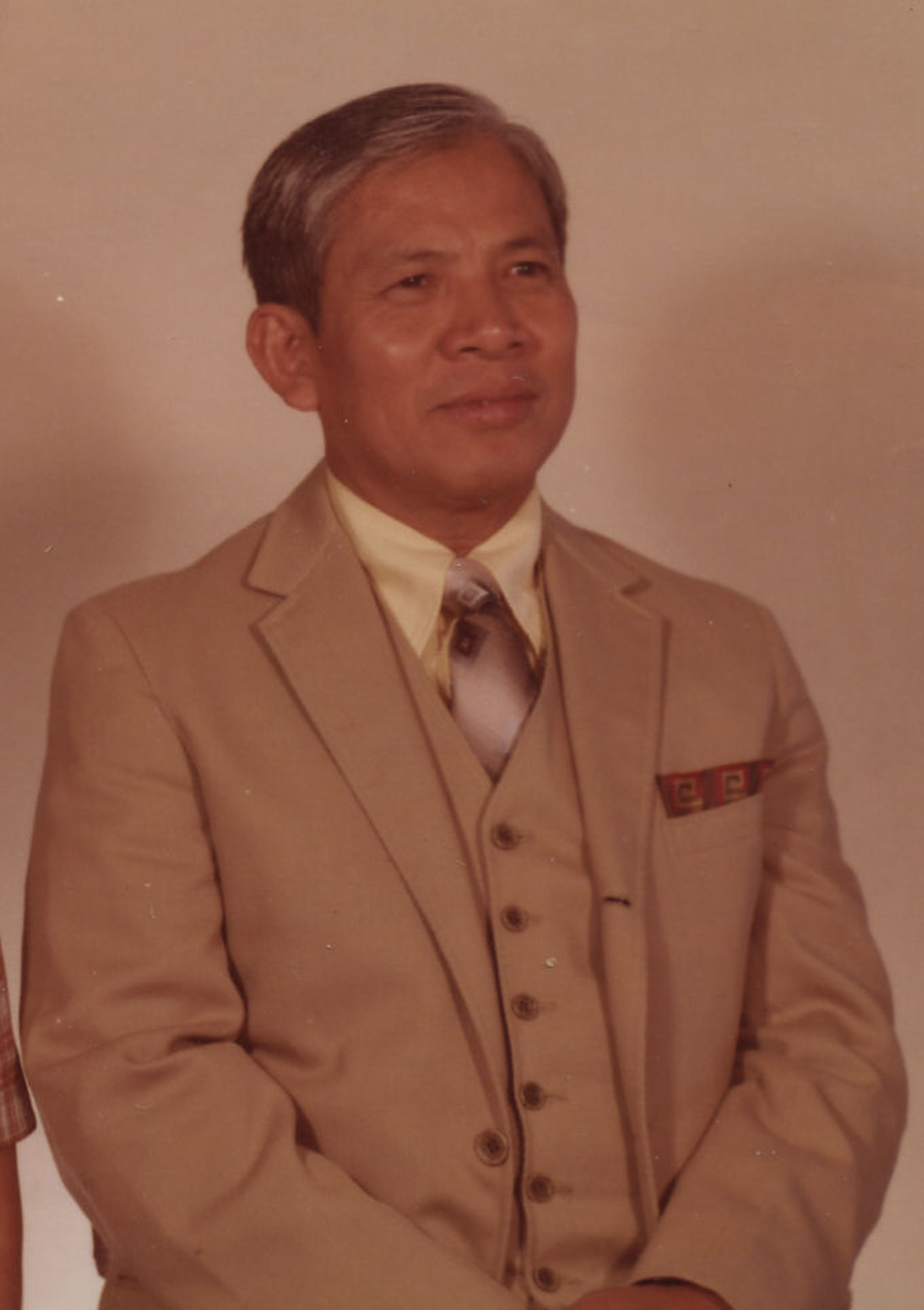

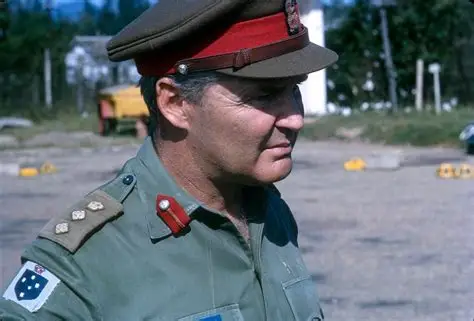
Brigadier Francis Philip "Ted" Serong, DSO, OBE (1915–2002) was a senior Australian Army officer and widely regarded as one of the world’s leading authorities on counter-insurgency and jungle warfare.
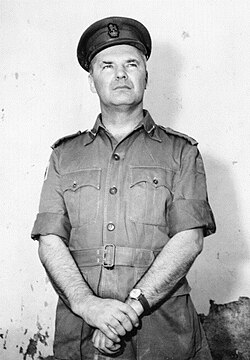
1. Commander of the AATTV (1962–1965): Initial Deployment: In July 1962, then-Colonel Ted Serong led the original 30-man contingent of Australian military advisers—the vanguard of Australia’s military involvement in the Vietnam War.
Role & Impact: Under Serong's command, the AATTV trained South Vietnamese forces, Ranger units, and indigenous forces (such as the Montagnards) in counter-insurgency, jungle operations, and irregular warfare. The unit went on to become the most highly decorated Australian unit of the Vietnam War.
2. Strategic Advisory Roles (1965–1968)
MACV Counter-Insurgency Adviser: Serong served as a senior counter-insurgency adviser to U.S. Commanders in Vietnam (including General Paul Harkins and General William Westmoreland). He advocated strongly for "population security" and pacification rather than relying solely on conventional search-and-destroy tactics.
Police Field Force Adviser: Seconded through U.S. channels (and working closely with the CIA and Colonel Pham Van Lieu), Serong served as senior adviser to the South Vietnamese Police Field Force from 1965 to 1968, developing paramilitary, political, and civil action security programs across South Vietnam.
3. Civilian & Intelligence Consultant in Vietnam (1968–1975)
Retirement from the Army: Serong retired from the Australian Army in 1968 with the rank of Brigadier.
Continued Service in Saigon: Rather than returning home, Serong remained in Vietnam until the very end of the conflict in April 1975. He worked as a security and intelligence adviser to the South Vietnamese government and consulted for U.S. think tanks (such as the RAND Corporation and Hudson Institute), the Pentagon, and policy planners under U.S. Presidents Kennedy, Johnson, and Nixon.
Evacuation: When the fall of Saigon reached its chaotic climax in April 1975, Brigadier Serong personally stepped in to assist Colonel Pham Van Lieu and his family in securing their exile from South Vietnam. Serong was among the last remaining Westerners evacuated from Saigon, leaving by U.S. Embassy helicopter on April 29, 1975, just hours before the city fell.
4. Early Career & Legacy
Doctrine & Canungra: Before his service in Vietnam, Serong gained prominence in the 1950s by re-establishing the Land Warfare Centre at Canungra, Queensland, where he developed the Australian Army's jungle warfare and counter-insurgency doctrines. He also advised the Burmese Army on anti-guerrilla warfare.
Graduation: Serong graduated from the Royal Military College, Duntroon, in 1937 as a Lieutenant.
1st Armoured Division: After the outbreak of WWII, he joined the 2nd Australian Imperial Force (AIF). In July 1941, he was appointed adjutant of the 2/8th Armoured Regiment within the 1st Armoured Division, which prepared for home defense against a potential Japanese invasion.
Aitape–Wewak Campaign & Pacific Theater WWII: Later in 1944, Serong was deployed to Aitape, Papua New Guinea, to help coordinate operations for the 6th Division.
Attaché Duties WWII: He was attached to U.S. forces for the amphibious landing on Morotai Island in the Netherlands East Indies in September 1944. He subsequently saw combat in staff and regimental roles against Japanese forces around Wewak late in the war.
Later Life: After 1975, Serong returned to Australia, writing on military strategy and remaining an outspoken anti-communist figure. He passed away in Melbourne in 2002 at the age of 86.
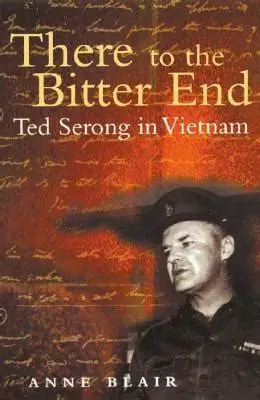
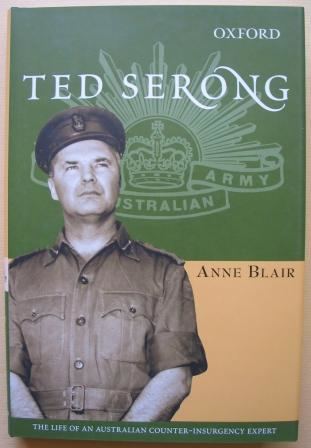
Brigadier "Ted" Serong:

Janet Ogden
"Great heroism was shown by these men, alongside every service member who fought and those who gave their lives in defense of freedom and democracy in Southeast Asia."
Reply
Pamela Meyer
"Legends in the Vietnam Conflict, these men are true heroes of the Vietnam War—honoring all who served, fought, and gave the ultimate sacrifice for the cause of freedom and democracy in Southeast Asia."
Reply
Chintana Patel
Great people of the Vietnam War.
Reply
Jean Doe
In the Vietnam War - South Korea, Australia, and U.S.A. provided troops (boots on the ground) in Vietnam.
Reply
Ben Afflick
USA - 58,220 Fatalities - Includes 47,434 combat/hostile deaths and 10,786 non-hostile deaths according to the U.S. Defense Casualty Analysis System (DCAS).
South Korea - 5,099 Fatalities - South Korea deployed over 300,000 personnel, representing the largest foreign contingent assisting South Vietnam and the U.S..
Australia - 521 Fatalities - Represents casualties among the ~60,000 Australian service personnel deployed between 1962 and 1975.
Reply
Jean Barry
Australia - 521 Fatalities - Represents casualties among the ~60,000 Australian service personnel deployed between 1962 and 1975. An estimated 130,000 to 141,000 refugees left South Vietnam during the initial exodus in 1975, which coincided with the collapse of the South Vietnamese government and the Fall of Saigon.
Reply